Author: command

stray kittens

What to Do If You Find a Cat Outside

Not all outdoor cats are lost—and not every lost cat is easy to spot. If you’ve come across a cat lingering around your neighborhood, it can be hard to know whether to intervene or let them be.

Here’s a compassionate, practical guide to help you make the right call.

Step 1: Check if the Cat Might Have a Home

Many cats that are found outside aren’t actually stray—they’re owned and may have simply wandered farther than usual. Before assuming the cat is lost or abandoned:

  • Take a clear photo and share it on social media, local lost-and-found pet groups, or neighborhood apps like Nextdoor.
  • Note the location and town where you spotted the cat.
  • Talk to neighbors and nearby businesses. Someone may recognize the cat or know its story.
  • Look for a collar or tag, but remember: not all owned cats wear one.

Sometimes, sadly, cats are dumped or displaced and don’t have a safe home to return to. That’s when it’s time to go a step further.

Step 2: Offer Temporary Support

While you’re searching for answers or awaiting responses:

  • Set up a simple outdoor shelter, especially in colder months. A plastic bin or Styrofoam cooler with a lid and straw (never blankets or hay) offers dry, insulated protection.
    • Reminder: Straw for strays—hay for horses.
  • Provide food and water. Once you start feeding, it’s important to stay consistent. If you need help with supplies, ask neighbors to chip in or reach out to your local pet food pantry.

These small efforts could mean the difference between survival and suffering—especially during extreme temperatures.

Step 3: Determine if the Cat Is Feral or Friendly

This will help you decide next steps:

  • feral cat is not socialized to people and will avoid contact. They may hiss, hide, or resist approaching even after days of feeding.
  • scared but friendly cat might warm up over time, becoming more relaxed around you.

Friendly cats are more likely to be adoptable or reunited with a family. Feral cats are best served through Trap-Neuter-Return (TNR), which humanely stabilizes the population while allowing them to live independently outdoors.

Step 4: Prepare for a Possible Trap and Transition

If the cat remains and you’re ready to help:

  • Begin planning for spay/neuter appointments. Contact local clinics or TNR programs to schedule.
  • Set up a crate or safe space indoors if the cat is friendly and you’re considering fostering or surrendering to a shelter.
  • Use a humane trap if needed, but monitor it closely. Never leave a trap overnight—especially in cold weather—or in an area where predators are present.

If space or resources are limited, connect with your local rescue groups to get the cat on their intake waitlist.

A Community Effort

Helping an outdoor cat doesn’t have to fall entirely on your shoulders. Reach out, ask for help, and work with your local animal welfare organizations. They may be able to assist with supplies, trapping, vet care, or rehoming.

Your effort—even a small one—can ripple outward to make a big difference.


Need help or supplies? Request supplies from our pantry, or visit our Resources & Rescue Directory to find local organizations offering spay/neuter services and more.

keeping-a-pet-safe-in-winter

Winter Pet Safety: Cold Weather Prep

When the temperature drops, it’s not just humans who need extra care — our pets rely on us to keep them warm, nourished, and protected through the coldest months of the year. Whether you have a snow-loving dog, an indoor cat, or anything in between, here’s what to know about keeping pets safe all winter long.

Bundle Up: Cold Weather Risks

Just like us, pets can suffer from frostbite and hypothermia. Even if your pet has a thick coat, they’re still vulnerable when the wind picks up or the snow piles high.

Cold-weather tips:

  • Limit outdoor time in freezing temperatures
  • Add a sweater or jacket for short-haired or senior dogs
  • Wipe paws after walks to remove ice, salt, and chemical deicers
  • Keep an eye out for shivering, lifting paws, or signs of discomfort

If it’s too cold for you, it’s probably too cold for them.

Avoid Antifreeze & Other Hidden Hazards

Winter chemicals can be lethal to pets — especially antifreeze, which has a sweet taste that attracts animals but is highly toxic.

Safety reminders:

  • Store all chemicals out of reach
  • Immediately clean up any spills in the garage or driveway
  • Look for pet-safe deicers for your sidewalks and steps

If you suspect your pet has ingested a toxic substance, contact your vet or an emergency animal clinic right away.

Cozy, Not Crowded: Indoor Pet Comfort

When pets spend more time indoors, it’s important to make sure they have a comfortable, safe, and enriching environment.

Set up their space with:

  • Soft bedding away from drafts or cold tile
  • Access to clean, unfrozen water (consider heated bowls for outdoor animals)
  • Toys and activities to prevent cabin fever

Cats may enjoy sunny windows, while dogs benefit from puzzle toys and indoor play sessions.

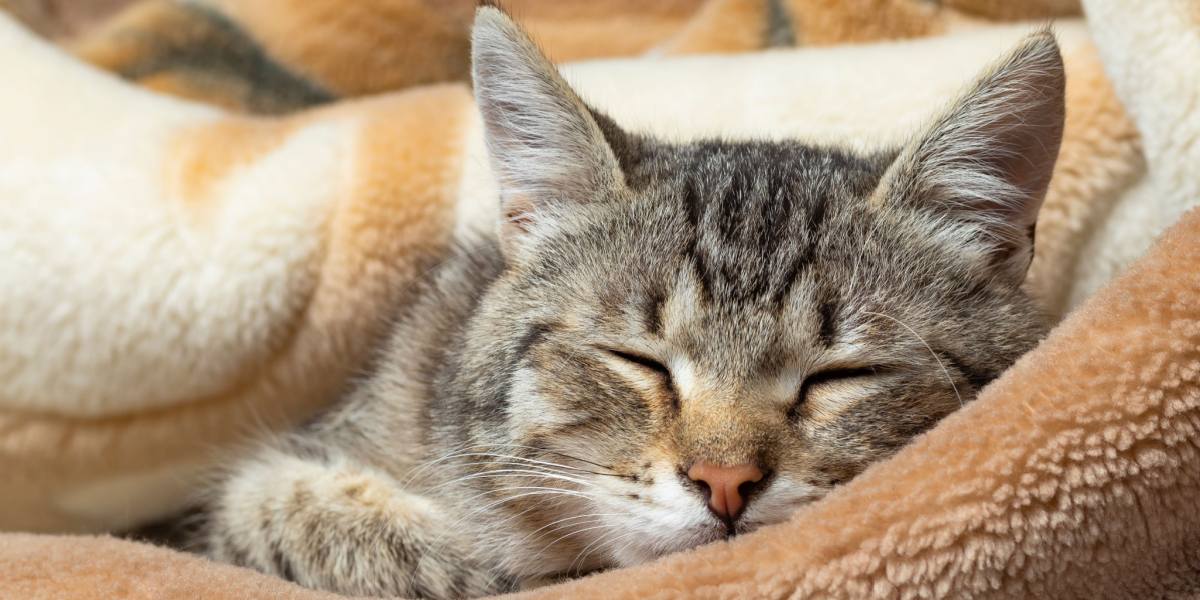
cat-sleep-in-blanket

Don’t Forget Nutrition

Keeping warm burns extra energy, so some pets — especially outdoor animals — may need more calories during the winter months. Talk to your vet about your pet’s winter nutrition needs and adjust food portions if necessary.

Bonus Tip: Ensure water bowls don’t freeze. Hydration is just as important in cold weather as it is in the summer.

Travel & Holiday Tips

Cold-weather travel can be risky for pets too. If you’re hitting the road or hosting guests during the holidays:

  • Never leave pets in the car unattended
  • Keep ID tags and microchips up to date
  • Set boundaries for holiday plants and decorations (poinsettias, tinsel, etc.)
  • Have a quiet space ready if your pet gets overwhelmed

Outdoor Cats & Community Animals

If you care for outdoor cats or see strays in your area, there are still ways to help them survive the winter.

Ideas include:

  • Creating DIY insulated shelters using storage bins or Styrofoam coolers
  • Providing food and water daily (heated bowls help)
  • Checking under your car before starting the engine — cats may shelter under the hood for warmth

Winter doesn’t have to be worrisome for pet families. With a little planning, some cozy comforts, and a watchful eye, you and your furry friends can stay safe, warm, and joyful all season long.


Winter can be tough — especially when finances are stretched. If you’re struggling to keep your pet fed or need help accessing essentials like blankets or bowls, Benson’s CARES is here to help. Schedule a Pet Food Pantry pickup or donate to help others in need this season.

Holiday Pet Safety: Tips for a Safe Season

The holidays are a time of joy, but for our pets, they can also bring unfamiliar sights, smells, and sounds — some of which may not be so safe. With a little awareness and planning, you can make sure the season stays merry and stress-free for every member of the family.

Watch What They Eat

Holiday meals and desserts might look tempting to pets, but many seasonal favorites can be harmful or even toxic. Keep human food out of reach and make sure guests know not to share scraps from the table.

Common foods to avoid include:

  • Chocolate and sweets (especially with xylitol)
  • Grapes and raisins
  • Onions and garlic
  • Rich, fatty leftovers or cooked bones
  • Alcoholic or caffeinated drinks

Instead, celebrate with pet-friendly treats or a small amount of plain, cooked meat (no seasoning or skin).

Decorate with Care

From sparkling tinsel to dangling ornaments, many holiday decorations are magnets for curious pets — and some can be dangerous if chewed or swallowed.

Decor safety tips:

  • Avoid tinsel, string lights, and ribbon if you have cats
  • Keep fragile glass ornaments out of reach
  • Use flameless candles instead of real flames
  • Tape down or hide electrical cords

If your pet tends to explore with their mouth, decorate higher up and keep floor-level displays minimal.

pet safe decorations for christmas

Don’t Forget About Routines

With guests, travel, and schedule changes, the holidays can feel overwhelming for pets. Try to maintain feeding and walk routines as much as possible. If you’re hosting, create a quiet space where pets can relax away from the noise. If you’re traveling, make sure your pet’s tags and microchip info are up to date and pack their essentials — including comfort items like a blanket or toy that smells like home.

Cold Weather Caution

Even pets with thick coats need protection when the temperatures drop.

Remember to:

  • Limit outdoor time during extreme cold
  • Wipe paws after walks to remove salt and chemicals
  • Keep antifreeze and other toxins out of reach
  • Avoid leaving pets in cars — even briefly

Give the Gift of Safety

The holidays are about togetherness, and with a few simple steps, you can include your pets in the celebration without worry. A safe environment, familiar routine, and extra snuggles go a long way.


Need support this season? Schedule a Pet Food Pantry pickup or make a donation to help another family keep their pets fed and safe this winter.

Sylvie

Sylvie

Sylvie is a resilient mama who gave birth to her beautiful blue boys—Dimitri, Boris, and Rascal (who has already found his forever home!). She was abandoned at a farm while pregnant, but thankfully was taken in with her kittens so they could all have a safe start indoors.

At about 2–3 years old, Sylvie is still learning to trust people after her rough beginning. She isn’t aggressive—just cautious—and needs a patient adopter who will let her open up at her own pace. Because of her shy nature, Sylvie would do best in a quiet home without small children or dogs.

Sylvie has done her part raising her kittens—now it’s her turn to find a forever home where she can finally relax and be loved.

Snail

Snail

Snail is a sweet 2-year-old girl who started life on the streets before being fostered by some wonderful ladies. Now she’s ready for a forever home of her own. Snail enjoys being petted and will happily soak up attention, though she prefers not to share the spotlight if she can help it.

She would love to be an only cat, but she’s managed to coexist with other sassy cats in her current space. Snail can be a little shy at first, but she warms up with patience. We’re not sure how she’d do with dogs, though with a quiet, respectful pup, she may adapt.

Snail has already come a long way on her journey from street life to safety. Now all she needs is the right family to give her the love she deserves.

Smitty

Miss Smitty is a shy, gentle girl who was rescued from the cold winter streets. About 3 years old, she’s one of our longer-term residents simply because she’s timid and takes her time learning to trust. Behind her cautious exterior is a cat who wants to feel safe and loved—she just needs the right home to give her that chance.

Smitty would do best in a quiet home without small children or dogs, as too much activity overwhelms her. She does, however, enjoy the company of other cats and may gain confidence from having feline companions around. With patience and consistency, Smitty has the potential to blossom into a loyal and affectionate companion.

Miss Smitty has been waiting for a family willing to see past her shyness and give her the safe, loving home she deserves.

Rosie

Rosie

Rosie is a resilient senior girl, about 10 years old (maybe a little older), who has survived a tough life outdoors without proper care. An untreated ear infection left her deaf, but she hasn’t let that stop her from enjoying the simple things—like a safe, sunny spot to nap. Her teeth are in surprisingly good shape for her age, and now she’s looking for a home where she can finally rest easy.

Because Rosie is deaf, she needs a calm, predictable environment where she won’t be startled. A quiet home without lots of activity would be ideal. She doesn’t like being held or picked up, but she does love gentle pets and companionship on her own terms.

Rosie has weathered so much, and now she deserves a safe, loving home where she can relax and be cherished for the rest of her days.

Midge

Midge

Midge is our sweet senior girl, about 12–15 years old. After spending many years in a loving home, she sadly found herself homeless when her owners passed away. Despite this loss, Midge’s gentle spirit shines through, and she’s ready to spend her golden years in comfort and peace.

She has lived with other cats and enjoys their company, and she’s even lived with cat-savvy dogs in the past. With the right, respectful canine companion, she may be able to share her space again. Midge doesn’t like being picked up, but she does appreciate gentle pets and a sunny window to curl up beside.

Midge deserves a soft landing for her golden years—a cozy home, patient love, and a family who will cherish her.

Loki

Loki (Bonded)

Loki is the shy half of this bonded brother duo. At just over 3 years old, he hasn’t quite decided that human hands are for pets—but he knows they’re great for delivering treats! With patience, Loki has the potential to grow more comfortable, especially with his confident brother Lilo by his side.

Because of his cautious nature, Loki and Lilo need a quiet home without small children or dogs. Together, they’ll provide a perfect mix of outgoing affection and gentle companionship.

With patience for Loki and plenty of pets for Lilo, you’ll discover how rewarding it is to welcome a bonded pair into your home.

Lilo

Lilo (Bonded)

Lilo is the lovebug of the pair. Just over 3 years old, this handsome boy adores affection and will even use his paw to pull you closer when he wants more. Outgoing and cuddly, he’s ready to give his people lots of love.

But Lilo isn’t looking for a home alone—he and his brother Loki are a bonded pair and must be adopted together. They’ve spent their whole lives side by side and are happiest that way.

Lilo and Loki balance each other out beautifully—Lilo provides the snuggles, while Loki brings quiet companionship. Together, they’ll fill your home with love.